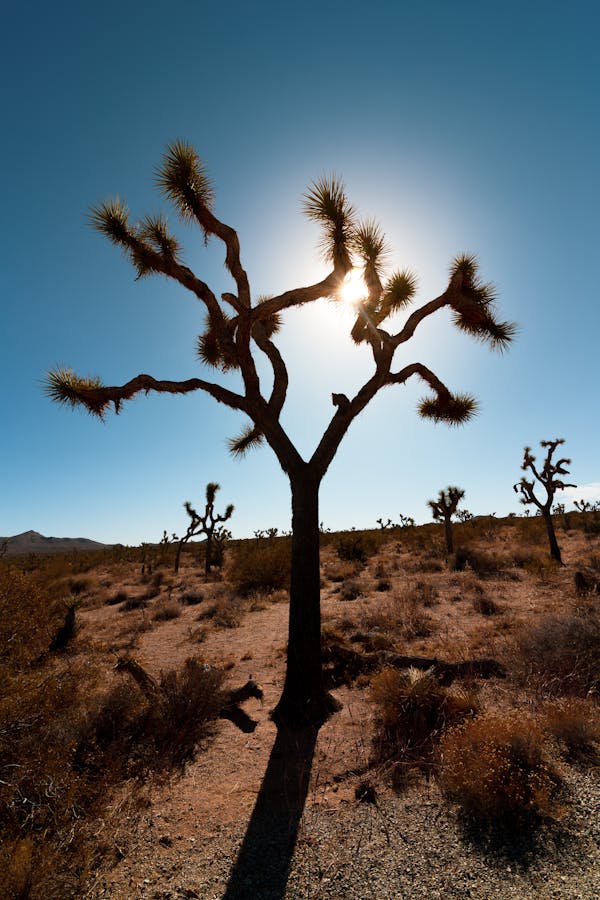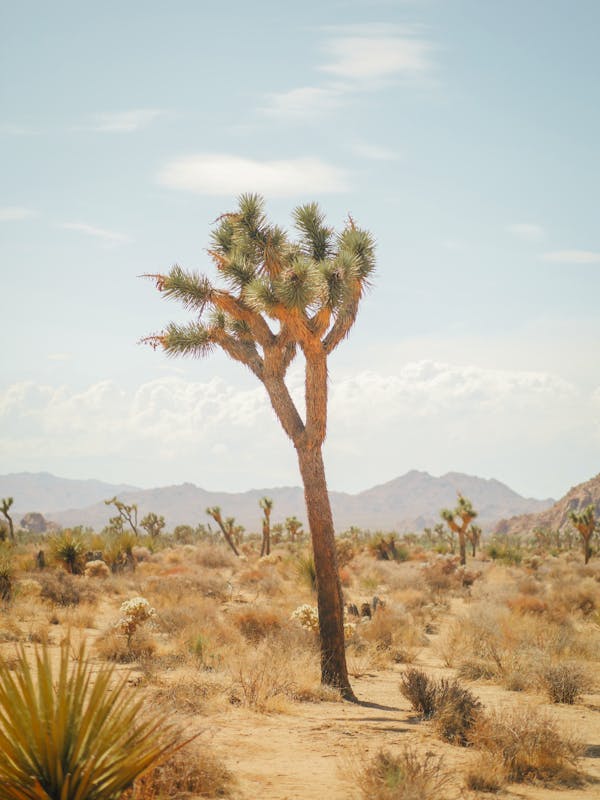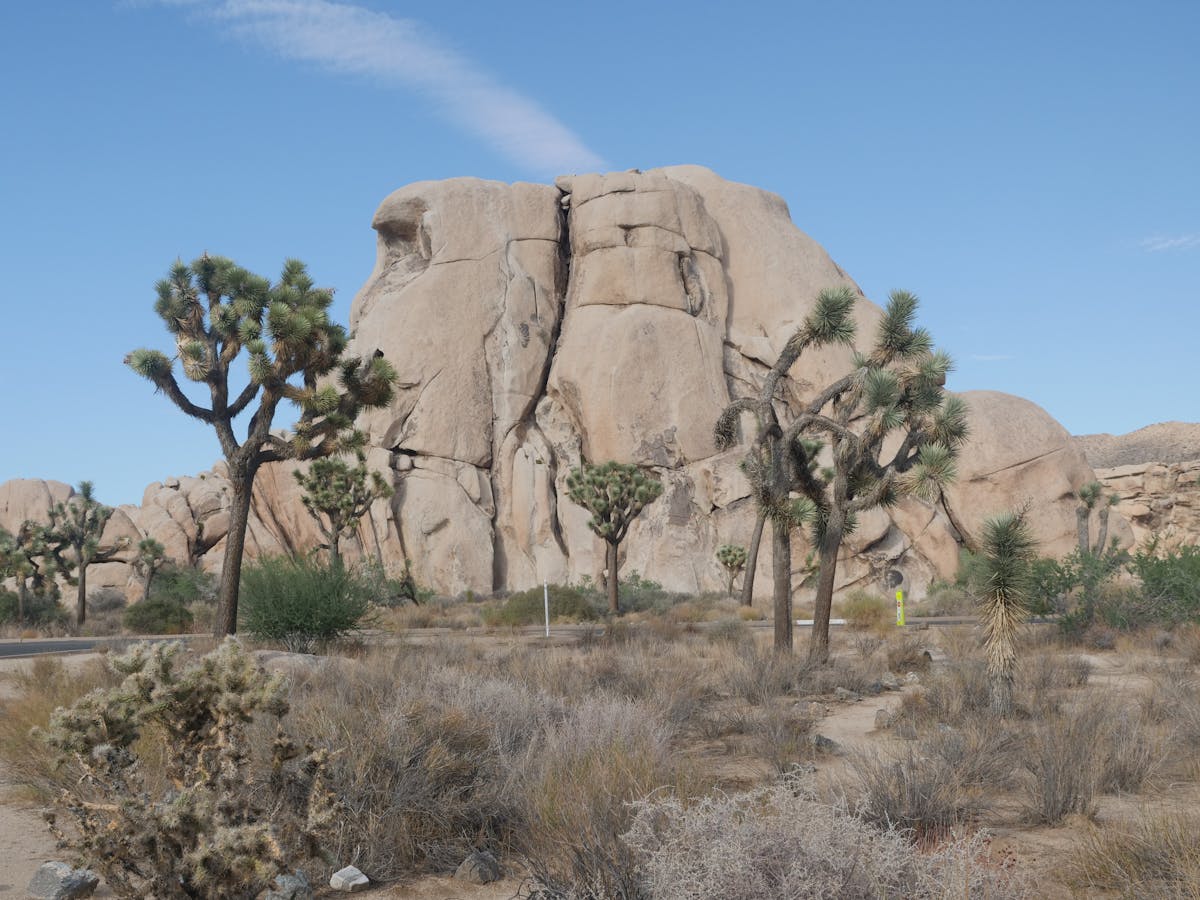
While Joshua Tree National Park's most famous trails — Hidden Valley, Skull Rock, and Barker Dam — are absolutely worth visiting, some of the park's most magical experiences await those willing to venture off the beaten path. After years of exploring every corner of this desert wonderland, we've compiled a guide to the lesser-known trails that locals treasure.
Why Seek Out the Hidden Trails?
Joshua Tree receives over 3 million visitors annually, and most flock to the same dozen popular spots. The hidden trails offer something precious: solitude. There's nothing quite like standing alone among ancient rock formations and twisted Joshua Trees, hearing nothing but the wind and the occasional call of a desert bird.
These trails also tend to showcase different aspects of the park's diverse ecosystems. You'll encounter hidden oases, dramatic canyons, pristine desert flora, and geological formations that few ever see.
1. Boy Scout Trail to Willow Hole
This moderate 7-mile round-trip hike is one of our absolute favorites. The Boy Scout Trail begins near the Indian Cove area and winds through spectacular rock formations before arriving at Willow Hole — a hidden grove of desert willows fed by seasonal springs.
What makes it special: The towering granite formations create natural corridors and amphitheaters. In spring, wildflowers carpet the desert floor. The solitude factor is high — you might not see another person the entire hike.
Pro tip: Start early in the morning. The trail has minimal shade, and you'll want to reach Willow Hole before midday heat. Bring at least 3 liters of water per person.
2. Lost Horse Mine Loop
This 6.4-mile loop combines history, geology, and stunning vistas. The trail leads to the well-preserved Lost Horse Mine, one of the most successful gold mines in the area, operational from 1894 to 1931.
What makes it special: The mine site itself is fascinating — you can see the original 10-stamp mill and imagine the prospectors who once worked here. The loop offers 360-degree panoramic views of Queen Valley and the surrounding peaks.
Pro tip: Go clockwise on the loop for a more gradual ascent. Late afternoon light on the mine structures is spectacular for photography.
3. Fortynine Palms Oasis
This 3-mile round-trip hike is challenging but short, with a 350-foot elevation gain. The payoff? A lush fan palm oasis that feels like a mirage in the desert.
What makes it special: The contrast is stunning. You're hiking through classic Mojave Desert landscape — rocky, sparse, austere — and suddenly you're surrounded by towering California fan palms, wildlife, and the sound of trickling water (seasonal).
Wildlife alert: The oasis is a haven for bighorn sheep, especially in early morning and late afternoon. Bring binoculars and move quietly for the best chance of spotting them.
4. Lucky Boy Vista
This easy 2.6-mile round-trip trail is criminally underrated. The trailhead is near the Geology Tour Road (which requires 4WD), but the hike itself is accessible to most fitness levels.
What makes it special: The views are among the best in the park. You'll see Pleasant Valley, the Eagle Mountains, and on clear days, the Salton Sea shimmering in the distance. Sunrise here is transcendent.
Pro tip: If you don't have 4WD, you can hike or bike the Geology Tour Road to reach the trailhead. It adds distance but the road itself is fascinating.
5. Split Rock Loop via Face Rock
This 2.4-mile loop is short but packs maximum visual impact. The trail loops through a landscape of massive boulders, natural arches, and the iconic Split Rock formation.
What makes it special: This area is popular with rock climbers, so you'll likely see them scaling the granite faces — it's a show in itself. The rock formations here are some of the most photogenic in the park.
Pro tip: Combine this with the nearby Face Rock Trail for a longer adventure. The interconnected trails let you design your own route.
Essential Tips for Hidden Trail Hiking
- Water: Bring twice as much as you think you need. There is zero water available in the park.
- Navigation: Download offline maps before you go. Cell service is nonexistent in most of the park.
- Sun protection: Hat, sunscreen, sunglasses, and UV-blocking clothing. The desert sun is intense year-round.
- Timing: Hike early morning or late afternoon. Midday summer heat can be dangerous.
- Tell someone: Always let someone know your hiking plans and expected return time.
- Leave no trace: Pack out everything you pack in. Stay on established trails to protect fragile desert ecosystems.
When to Go
The best hiking seasons are October through April when daytime temperatures range from 60-80°F. Spring (March-April) brings wildflower blooms that transform the desert into a colorful wonderland. Summer (June-September) is brutally hot with temperatures exceeding 100°F — only experienced desert hikers should attempt trails during these months.
Winter nights can dip below freezing, so dress in layers if you're planning sunset or early morning hikes.
Your Home Base for Desert Adventures
After a full day exploring hidden trails, there's nothing better than returning to comfort and relaxation. Sunset House is perfectly positioned just 5 minutes from the park entrance, with a private hot tub for soothing tired muscles, a fire pit for evening storytelling, and a view deck for planning tomorrow's adventures under the stars.
Ready to Discover Hidden Joshua Tree?
Book Sunset House as your desert basecamp — minutes from the trails, miles from ordinary.
Book Your Stay